


In December 2025, the world’s largest hydrogen refueling station project — the Xuanli (Xinjiang) Hydrogen Refueling Station in Hami, Xinjiang — was officially completed and entered the trial operation stage. The project is equipped with core hydrogen technologies and integrated solutions provided by Hydrosys (Beijing Hydrosys Technology Co., Ltd.), a leading specialist in high-pressure fluid applications. Through advanced hydrogen compression and control technologies, Hydrosys is helping drive the green energy transition across Northwest China.
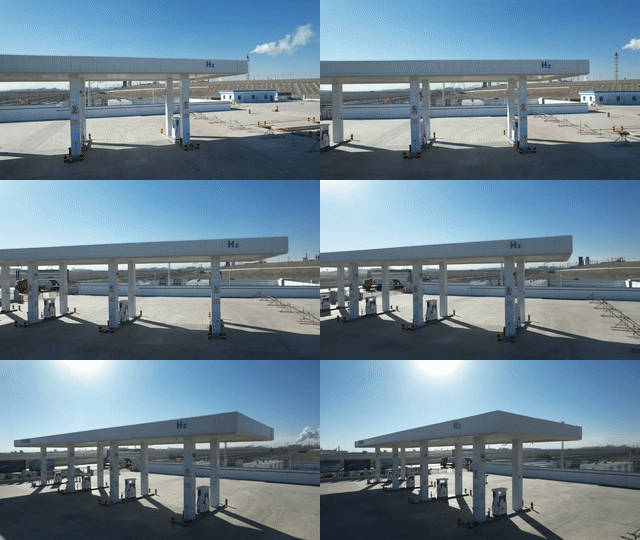
The Xuanli pure hydrogen and hydrogen refueling station covers a total area of approximately 19,500 square meters and is designed with a daily hydrogen refueling capacity of up to 16 tons. The station features eight hydrogen refueling islands and eight integrated high-flow hydraulic-driven hydrogen compressors for hydrogen production and refueling.
The facility can simultaneously serve up to eight hydrogen fuel cell vehicles and supports a maximum daily refueling demand of approximately 500 vehicles, making it one of the most advanced and highest-capacity hydrogen refueling stations in the world.
Supporting Safe and Stable Operation for a Large-Scale Hydrogen Refueling Station
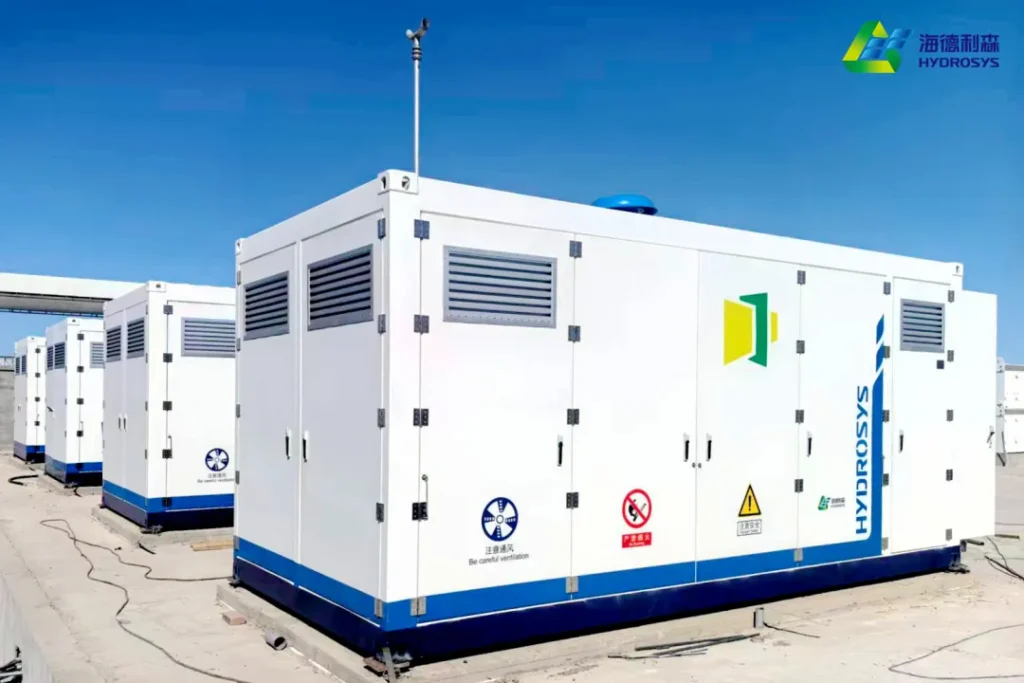
How does such a massive and technologically complex hydrogen refueling station achieve safe, stable, and efficient operation?
Hydrosys provides the answer through its independently developed integrated high-flow hydraulic-driven hydrogen compressor system. Designed with a highly integrated architecture, intelligent control systems, and high operational efficiency, the equipment effectively addresses key industry challenges such as high construction costs, complicated process flows, and excessive operating energy consumption.
In addition to the compression systems, the station’s hydrogen refueling equipment, valve box systems, and station control systems are all independently developed by Hydrosys. These systems deliver reliable performance, intelligent operation, and outstanding stability even under the extreme climate conditions of Xinjiang, where temperatures can range from -40°C to +50°C.
The successful operation of this project not only represents a milestone in the global hydrogen energy industry, but also strongly supports China’s “Dual Carbon” goals while accelerating the high-quality development of the hydrogen energy sector in Northwest China.
Hydrosys Continues Expanding Its Global Hydrogen Infrastructure Footprint
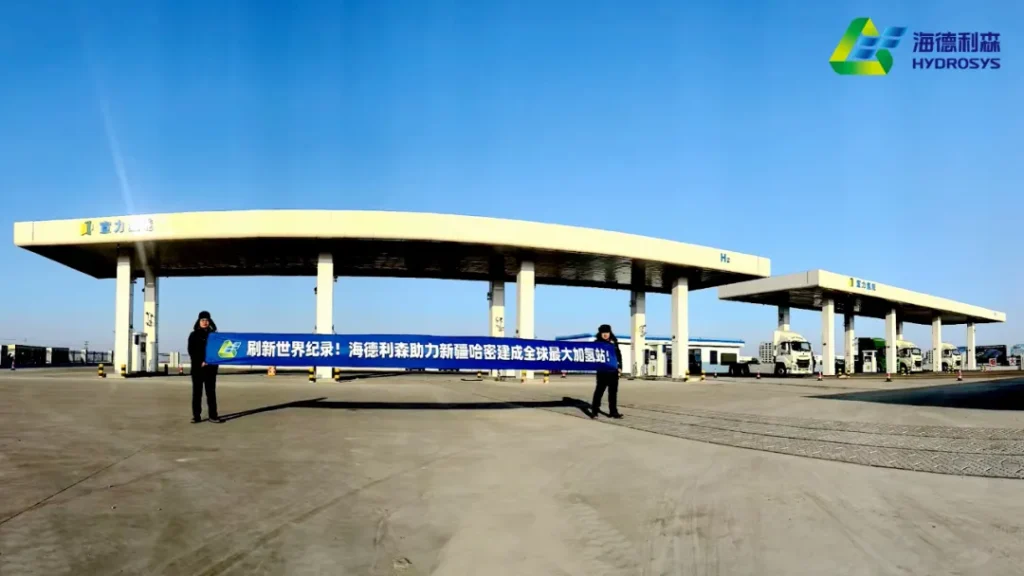
As a pioneer in hydraulic-driven hydrogen compression technology and hydrogen station engineering, Hydrosys has participated in the construction of more than 170 hydrogen refueling stations worldwide as of December 2025, with its market share continuing to grow year by year.
Hydrosys hydrogen refueling station equipment is now deployed across major international markets, including Asia, Europe, the Middle East, and Oceania. Each station contributes to the development of local hydrogen ecosystems while helping establish a complete hydrogen industry chain covering hydrogen production, storage, transportation, refueling, and utilization.
Among these projects are several industry-leading milestones, including:
- The world’s highest daily-capacity hydrogen refueling station
- China’s first overseas hydrogen refueling station project
- China’s first integrated hydrogen production, refueling, and battery-swapping station
Through continuous technological innovation, Hydrosys continues to lead the advancement of the global hydrogen energy industry.
Driving the Future of Clean Hydrogen Energy
Guided by its core values of integrity, professionalism, safety, and innovation, Hydrosys remains committed to delivering advanced high-pressure fluid application technologies to the global market.
Supporting the completion of the world’s largest hydrogen refueling station in Xinjiang once again demonstrates Hydrosys’ strong technical capabilities and leadership position within the hydrogen energy industry.
Looking ahead, Hydrosys will continue working together with global partners to build a cleaner, more efficient, and more sustainable low-carbon energy ecosystem while contributing to the worldwide clean energy transition.


